Tina Carter · 27 October 2026
Tracing Cottage Heritage Through the Lens of Antique Furniture Restoration Practices
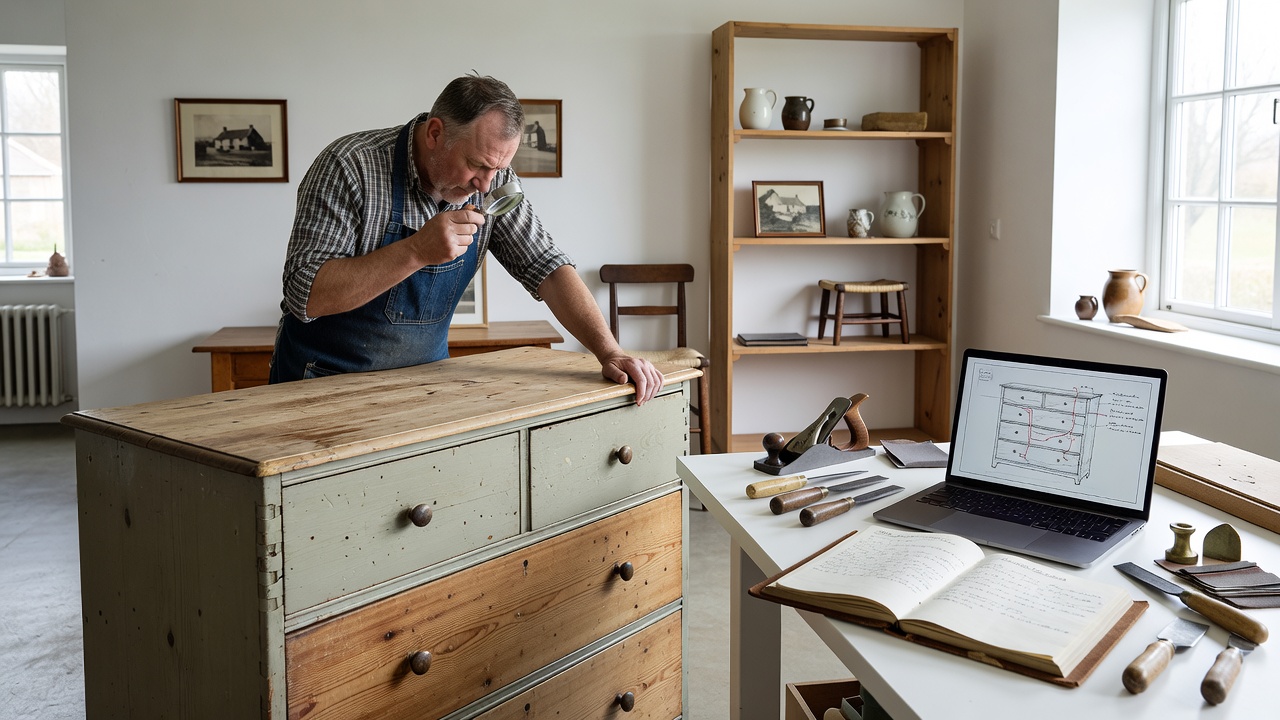
Tracing cottage heritage often begins with close examination of antique furniture pieces that have survived generations of use in rural settings, where restoration practices reveal layers of material history through documented techniques such as joinery analysis and finish removal that expose original construction methods from specific periods.
Documented Origins of Cottage Furniture Styles
Researchers at institutions like the Getty Conservation Institute have catalogued how early cottage furniture incorporated local woods including pine, oak and elm because these materials were readily available near settlements, and artisans adapted simple mortise and tenon joints along with pegged construction to withstand daily wear while allowing for easy repairs using hand tools common in the 18th and 19th centuries.
Evidence from surviving examples shows that painted surfaces frequently covered earlier decorative elements, and restorers document these layers through cross sectional microscopy before deciding on preservation steps that maintain historical integrity without introducing modern synthetics unless structural stability requires intervention.
Restoration Techniques and Material Analysis
Restoration specialists follow protocols established by organizations such as the Canadian Conservation Institute, where surface cleaning begins with gentle solvents tested on inconspicuous areas, followed by consolidation of loose veneers using reversible adhesives like animal hide glue that match original formulations and permit future interventions if needed.
Wood identification relies on microscopic examination of grain patterns and cell structures, while hardware analysis compares screw threads and nail types against dated reference collections so that replacements align with period standards rather than contemporary hardware store options.
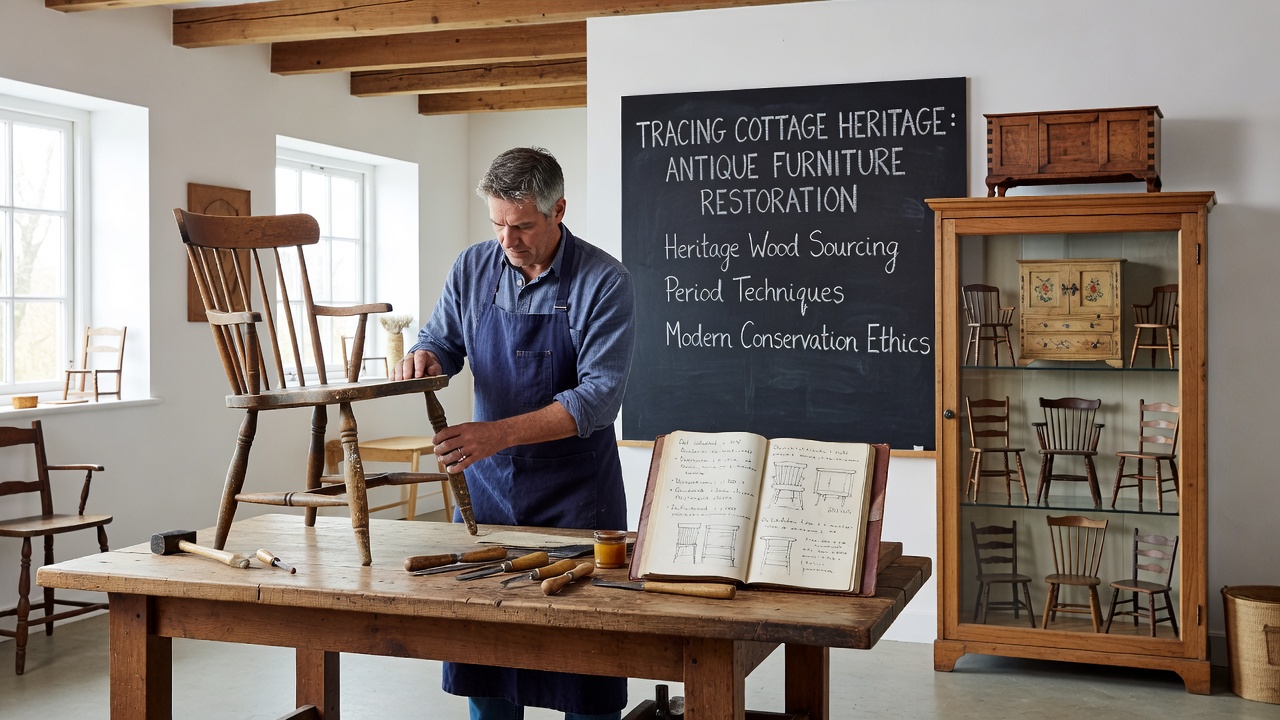
Those who study these processes note that upholstery work on cottage chairs and settles frequently uncovers original horsehair stuffing and linen webbing, and conservators record fiber compositions before replacing degraded elements with compatible natural materials sourced from suppliers that maintain traditional production methods.
Case Examples from Regional Collections
One documented project involving a mid 19th century Welsh dresser revealed multiple campaigns of overpainting that corresponded to changes in household ownership, and restorers used solvent gels to remove later layers selectively while preserving the earliest pigment traces that indicated local pigment sources and application techniques.
Another instance from North American rural sites demonstrated how replacement parts fashioned from reclaimed timber of matching species allowed structural repairs that respected original dimensions and tool marks left by period planes and chisels.
Integration with Broader Heritage Documentation
Heritage agencies track furniture restoration data alongside architectural surveys because pieces often moved between cottages and outbuildings, creating patterns that researchers map through maker marks, repair histories and associated family records held in regional archives.
In October 2026 the International Council on Monuments and Sites plans sessions focused on rural material culture where presentations will cover advancements in non invasive scanning technologies that assist restorers in documenting internal structures without disassembly.
Observers note that digital databases now aggregate restoration reports from multiple countries, enabling comparisons of similar furniture forms across regions and revealing trade routes that supplied hardware and finishes to isolated cottage communities.
Conclusion
Restoration practices continue to serve as primary tools for tracing cottage heritage because each intervention generates detailed records of materials, construction sequences and usage patterns that enrich understanding of past domestic life, while organizations maintain standards that balance preservation needs with ongoing functionality for contemporary settings.