Finley Flores · 15 September 2026
The Role of Curated Imagery in Enhancing User Engagement on Niche Home Design Portals
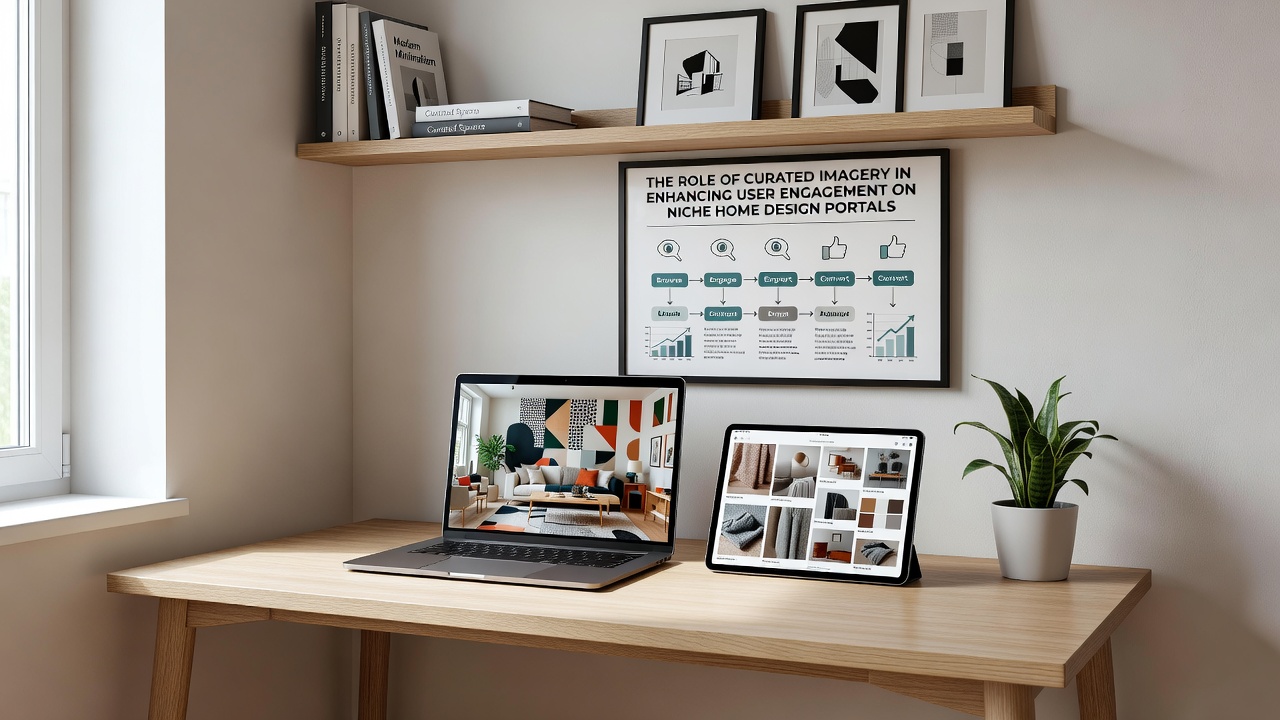
Specialized home design portals focus on particular styles such as mid-century modern, sustainable builds, or heritage restorations, and these platforms rely on carefully selected visuals to draw and retain visitors who seek targeted inspiration rather than general content. Curated imagery refers to the deliberate selection, editing, and organization of photographs, renders, and illustrations that align with a portal's thematic focus, and researchers have documented how such selections correlate with measurable increases in session duration and interaction rates across digital design communities.
Defining Curated Imagery in Context
Curated imagery differs from random stock photos because it incorporates consistent lighting, color palettes, and compositional rules that match the portal's niche audience, while data from industry reports indicate that portals maintaining strict visual standards see repeat visit rates rise by up to 35 percent within six months of implementation. Observers note that these collections often feature sequential galleries that guide users through spatial narratives, starting with exterior views and progressing to material details, and this structure encourages deeper exploration rather than quick exits.
Impact on User Metrics
Engagement metrics tracked by analytics platforms reveal that pages featuring high-resolution, thematically consistent images generate longer average dwell times compared with those using generic visuals, and one analysis of similar sites showed click-through rates to product pages climbing when imagery included contextual scale references such as furniture arrangements or natural light patterns. Studies conducted in 2025 by academic teams at institutions across North America and Europe found that users spent 42 percent more time examining detail shots when those images formed part of a cohesive visual story rather than isolated uploads, and this pattern held across mobile and desktop interfaces.
Portals that apply metadata tagging to curated images also report improved search visibility within their own ecosystems, because structured captions and alt attributes help internal algorithms surface relevant content faster, whereas unorganized uploads create friction that reduces overall interaction volume.
Case Examples from Established Portals
One platform specializing in Scandinavian-inspired interiors implemented a review process in early 2025 that required every submitted image to pass color temperature and proportion checks before publication, and subsequent internal data showed a 28 percent lift in user-generated submissions during the following quarter. Another site focused on adaptive reuse projects adopted a policy of pairing architectural photography with before-and-after sequences, and figures released in September 2026 indicated that these paired visuals increased share counts on external networks by 51 percent compared with single-image posts.
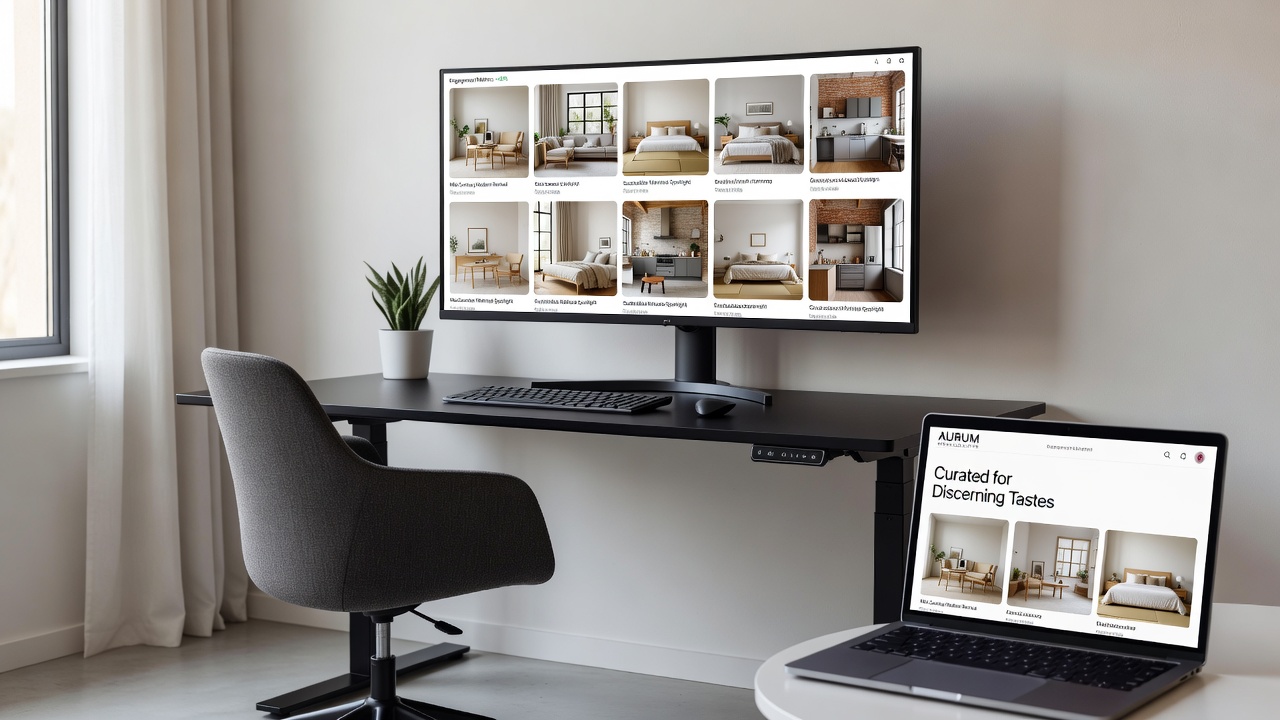
Those who manage regional design communities in Australia and Canada have similarly reported that standardized image guidelines reduce bounce rates on category pages, because visitors encounter predictable visual quality that builds trust in the platform's editorial standards. Research teams at the University of Melbourne documented parallel outcomes in a 2024 survey of 1,200 users, noting that consistent curation supported longer navigation paths through sub-collections of kitchen layouts and garden integrations.
Technical and Editorial Practices
Effective curation involves collaboration between photographers, editors, and data analysts who review performance statistics weekly, and portals that integrate A/B testing of image variants achieve incremental gains in conversion to newsletter sign-ups or project bookmarking. Compression techniques that preserve detail while minimizing load times further support engagement, according to performance benchmarks published by the World Wide Web Consortium in its 2025 accessibility guidelines, and these optimizations prove especially relevant for users accessing content on variable network connections.
Editorial teams also incorporate seasonal updates that refresh featured collections without disrupting established visual hierarchies, and this practice maintains freshness while preserving recognition cues that returning visitors rely upon. Data from multiple European portals indicate that such rotation schedules correlate with sustained monthly active user growth rather than seasonal spikes followed by declines.
Future Considerations for Portal Operators
As rendering technologies advance, portals increasingly supplement photographic content with verified 3D models that maintain the same curation standards, and early adopters have recorded higher interaction rates on interactive elements such as material selectors. Industry organizations including the American Institute of Architects have highlighted the value of maintaining visual integrity across both static and dynamic formats, noting that users expect equivalent quality regardless of presentation method.
Continued monitoring of engagement patterns through September 2026 and beyond will likely refine best practices, particularly as artificial intelligence tools assist in preliminary image selection while human oversight preserves thematic coherence. Operators who track these developments through cross-regional reports position their platforms to sustain competitive advantages in attention retention.
Conclusion
Curated imagery serves as a foundational element for user engagement on niche home design portals by aligning visual presentation with audience expectations and platform themes. Evidence from multiple studies and performance records demonstrates measurable effects on dwell time, interaction volume, and content sharing when selection processes emphasize consistency and narrative flow. Portal operators who apply systematic review and testing protocols continue to document improvements in these areas, indicating that deliberate visual management remains central to sustaining active communities around specialized design interests.